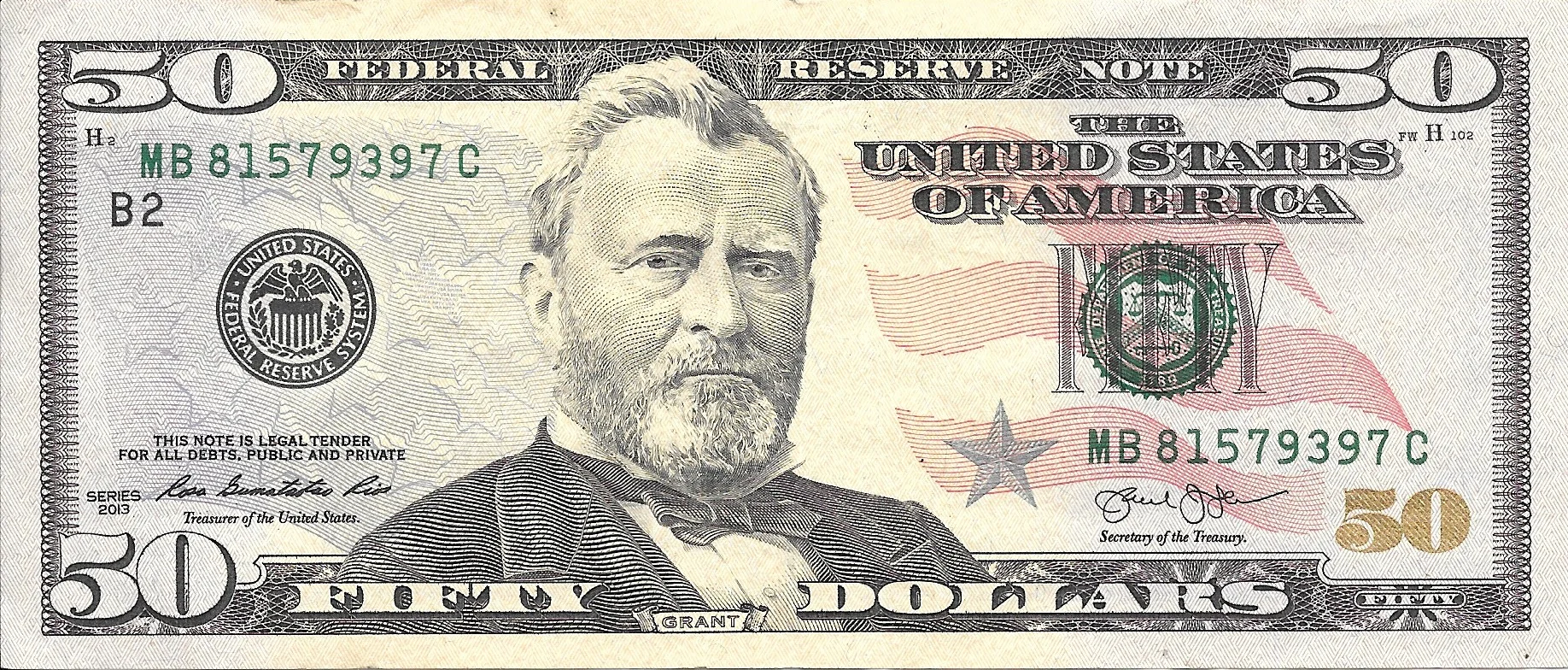
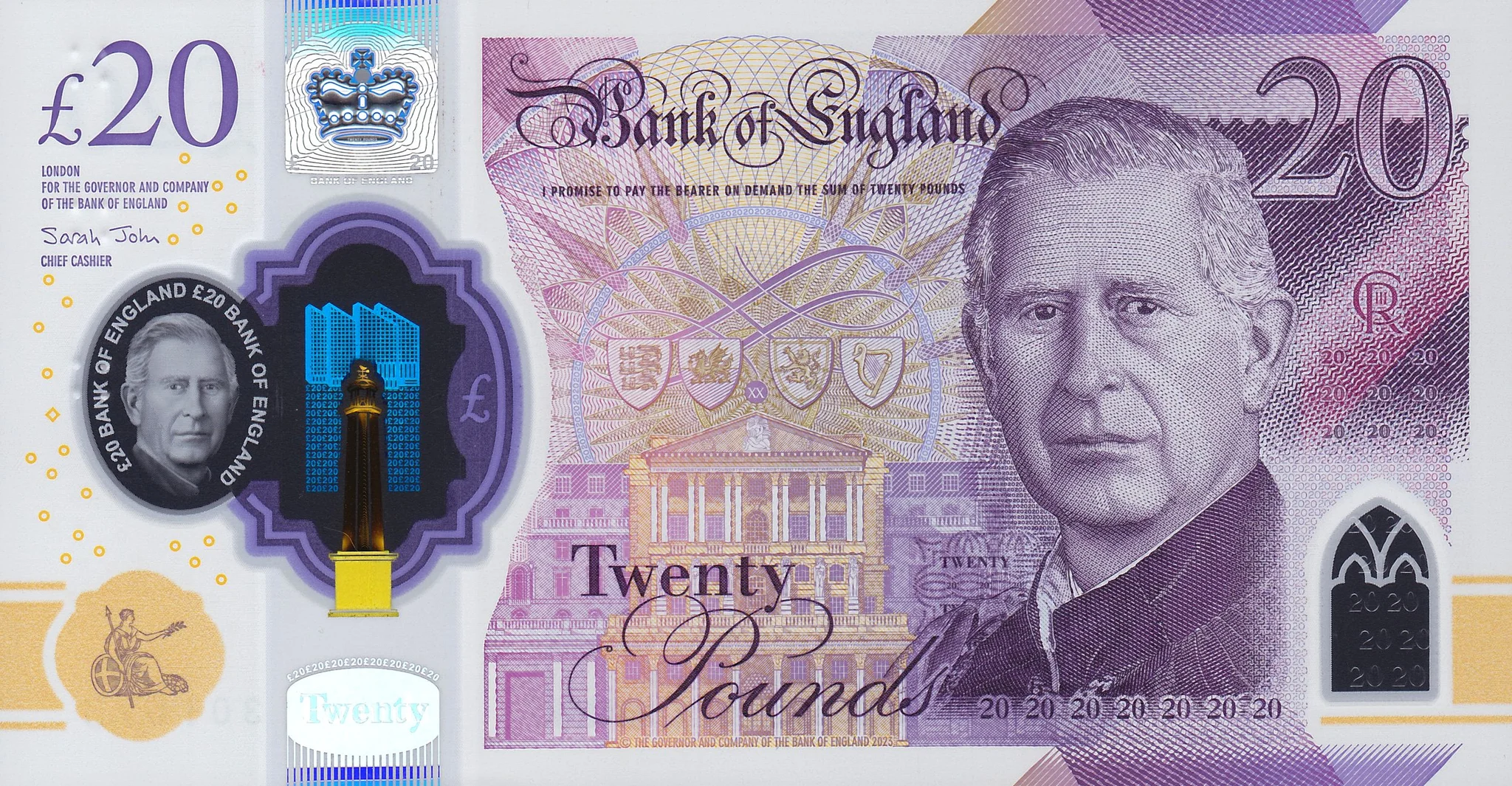
Polymer vs Paper: Why Currency Design Shapes Volume
From tiny Swiss franc stacks to room-filling Indian rupees — why bill sizes, denominations, and materials make the same value look wildly different.
The Observation
¥10,000 JPY and $100 USD are both 'large bills' — but stack ¥1 million versus $10,000 and you get wildly different volumes. One is a tidy bundle, the other a substantial brick. The difference isn't random: it's the result of deliberate design choices around denomination structure, physical dimensions, and even the material bills are printed on. Polymer vs. cotton paper, fixed-size vs. graduated-size — every country's central bank makes different tradeoffs.
Denomination Philosophy
Switzerland's CHF 1,000 note (worth ~$1,150) means $100K fits in a slim wallet. Singapore once had a $10,000 SGD note (~$7,400 USD) — discontinued in 2014 to fight money laundering. The US and Eurozone settle for $100 and €100 as their largest common notes. The €500 note, nicknamed 'Bin Laden' by law enforcement, was discontinued in 2019. Japan's ¥10,000 (~$66 USD) seems low but reflects historical deflation and cultural resistance to redenomination. India's largest at ₹500 (~$6) was forced by the 2016 demonetization crisis.